Interac e-Transfer at MileCasino
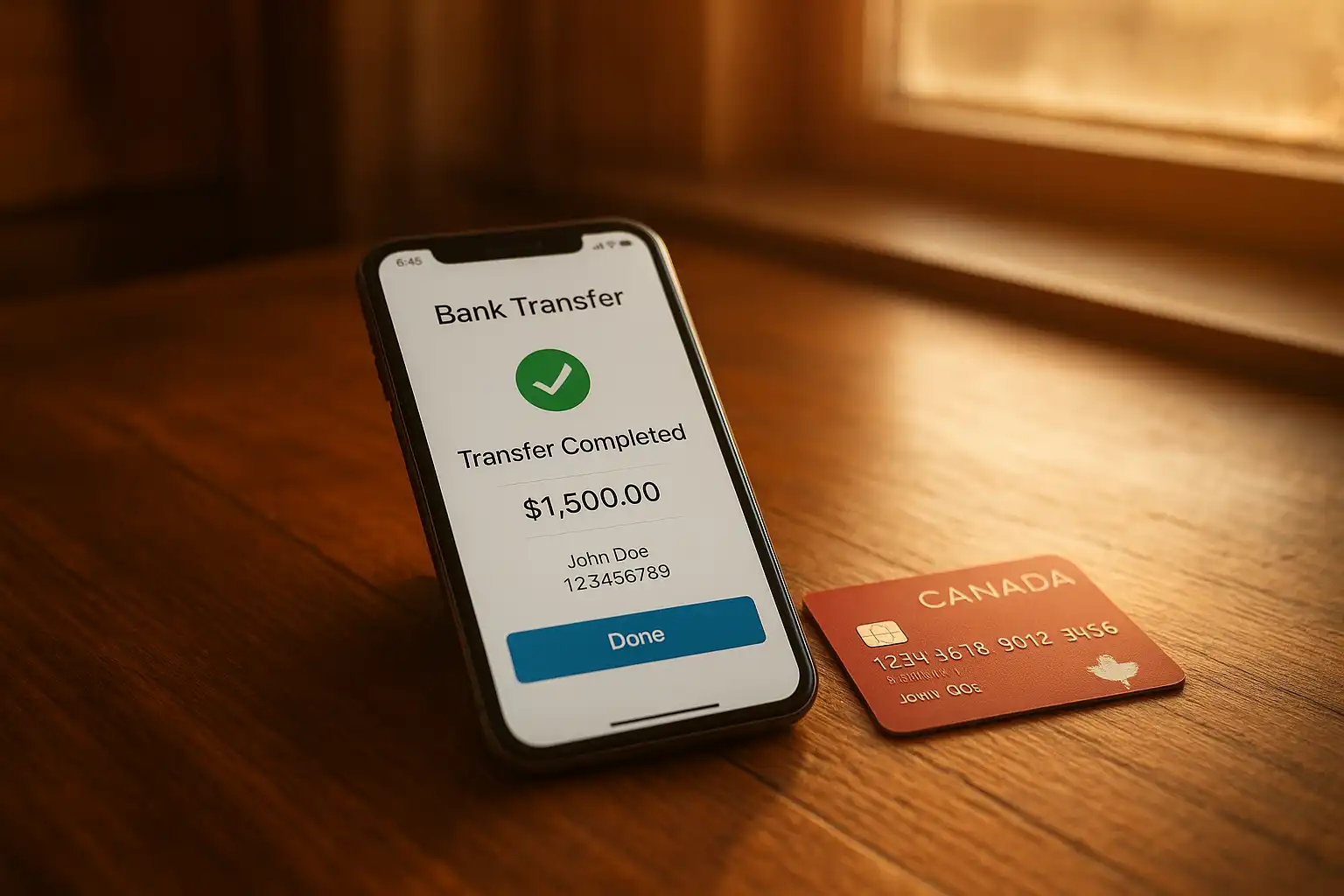
For Canadian players, Interac e-Transfer is the closest thing to a straight shot down the highway when it comes to funding a casino account. No detours through a card processor, no waiting days for a wire, just a transfer sent from a familiar banking app and a deposit that shows up in minutes. MileCasino built its cashier around Interac as the default option for good reason: it’s the payment method Canadians already trust for splitting rent and paying friends back, and it works just as smoothly for gaming.
What Is Interac e-Transfer
Interac e-Transfer is a money transfer service built into the online and mobile banking apps of virtually every major Canadian bank and credit union, including RBC, TD, Scotiabank, BMO, CIBC and most local credit unions. Instead of entering card numbers, a player sends money directly from their bank account using their existing banking login, which keeps card details out of the equation entirely and adds a layer of familiarity that other methods can’t match for a Canadian audience.
Depositing With Interac
- Log into the MileCasino account and open the cashier
- Select Interac e-Transfer from the deposit methods list
- Enter the deposit amount, minimum C$20, maximum C$5,000 per transaction
- The cashier generates transfer details, either an email address or a direct Interac request depending on the integration in use
- Complete the transfer through the player’s own banking app, same as sending money to a friend
- Funds typically post to the MileCasino balance within a few minutes, though some transfers may take up to 30 minutes during high-volume periods
Security questions, where required by the sending bank, should use answers only the player would know, standard practice for any Interac transfer regardless of where it’s headed.
Withdrawing With Interac
Withdrawals work in the other direction and are one of the more reliable ways to get money out of a Canadian-facing casino quickly. Once a withdrawal request is submitted from the cashier, MileCasino processes it and sends the funds back via Interac e-Transfer to the same bank account used for deposits, a standard anti-fraud measure across the industry.
| Step | Typical Timeframe |
|---|---|
| Withdrawal request submitted | Instant |
| Account and KYC verification check | Up to a few hours (first withdrawal only) |
| Casino processing approval | Within 24 hours |
| Interac transfer received | Minutes after approval |
First-time withdrawals take slightly longer because MileCasino runs a one-time KYC check, confirming identity with a government ID and proof of address. Once verified, subsequent withdrawals skip that step and move faster.
Deposit and Withdrawal Limits
| Transaction Type | Minimum | Maximum |
|---|---|---|
| Single Deposit | C$20 | C$5,000 |
| Daily Withdrawal | C$50 | C$3,000 |
| Weekly Withdrawal | — | C$10,000 |
Players looking to withdraw larger amounts than the daily cap can submit multiple requests across several days, or contact support to discuss a manual arrangement for exceptional cases.
Fees
MileCasino does not charge a fee for either Interac deposits or withdrawals. Some Canadian banks apply their own small e-Transfer fee, typically between C$1 and C$1.50, which is set by the bank rather than the casino and applies to any e-Transfer, gambling-related or not.
Common Issues and Fixes
- Deposit not showing up after 30 minutes: check the banking app to confirm the transfer actually completed and wasn’t left pending on a security question; contact support with the transfer reference number if it did complete
- Withdrawal delayed beyond 24 hours: this usually means KYC documents are still under review; check the account dashboard for any outstanding document requests
- Interac transfer limit reached on the bank’s side: Canadian banks set their own daily or weekly Interac limits independent of the casino’s limits, so a player hitting their bank’s cap will need to wait for it to reset or split the deposit across a couple of days
- Wrong email or auto-deposit mismatch: make sure the Interac email or auto-deposit setting on the banking side matches the details on file with MileCasino, since a mismatch can bounce the transfer back
Why Interac Works Well for Canadian Players
Unlike cards, which route through international processors and can trigger holds from banks that flag gambling transactions, Interac transfers move directly bank-to-bank within Canada’s own payment rails. That means fewer declined transactions, no foreign exchange conversion since everything stays in Canadian dollars, and a paper trail that’s easy for a player to follow in their own banking history. It’s also the fastest method MileCasino offers for getting winnings back into a personal account, which matters more to most players than any other single factor in choosing a payment method.
Players who haven’t linked Interac before should confirm with their bank that e-Transfer is enabled on their account, since a small number of accounts, particularly some business or student accounts, have it switched off by default and need a quick call to activate it.
Interac Versus Other Payment Rails
MileCasino also supports Visa, Mastercard, Instadebit, iDebit and Bitcoin, but Interac remains the default recommendation for most Canadian players for a few practical reasons. Card deposits sometimes get flagged or declined outright by issuing banks that apply blanket restrictions on gambling-related merchant codes, an issue that simply doesn’t come up with a bank-to-bank Interac transfer. Bitcoin offers faster withdrawal speed in some cases and higher limits, but introduces exchange rate exposure and a learning curve that not every player wants to deal with. Instadebit and iDebit function similarly to Interac in spirit, routing through the player’s own bank, but Interac’s near-universal adoption across Canadian banks makes it the most frictionless option for the widest range of players.
A Note on Bank Statements
Interac transfers to MileCasino typically appear on a bank statement under a merchant descriptor tied to the payment processor rather than displaying “MileCasino” directly, consistent with standard practice across the online gambling industry for privacy reasons. Players who want a clear personal record of their gambling transactions separate from their bank statement can rely on the transaction history available in the MileCasino account dashboard, which logs every deposit and withdrawal with a timestamp and reference number.
Keeping Records for Tax Purposes
Canadian tax rules around gambling winnings can vary depending on whether play is considered recreational or, in rare cases, a primary source of income. Most recreational players are not required to report casual gambling winnings, but rules differ by province and individual circumstance. MileCasino recommends players keep their own transaction history, easily exported from the account dashboard, and consult a tax professional if there’s any question about how winnings should be treated on a personal return. This isn’t something MileCasino can provide direct advice on, but having clean Interac records makes that conversation a lot easier if it ever comes up.